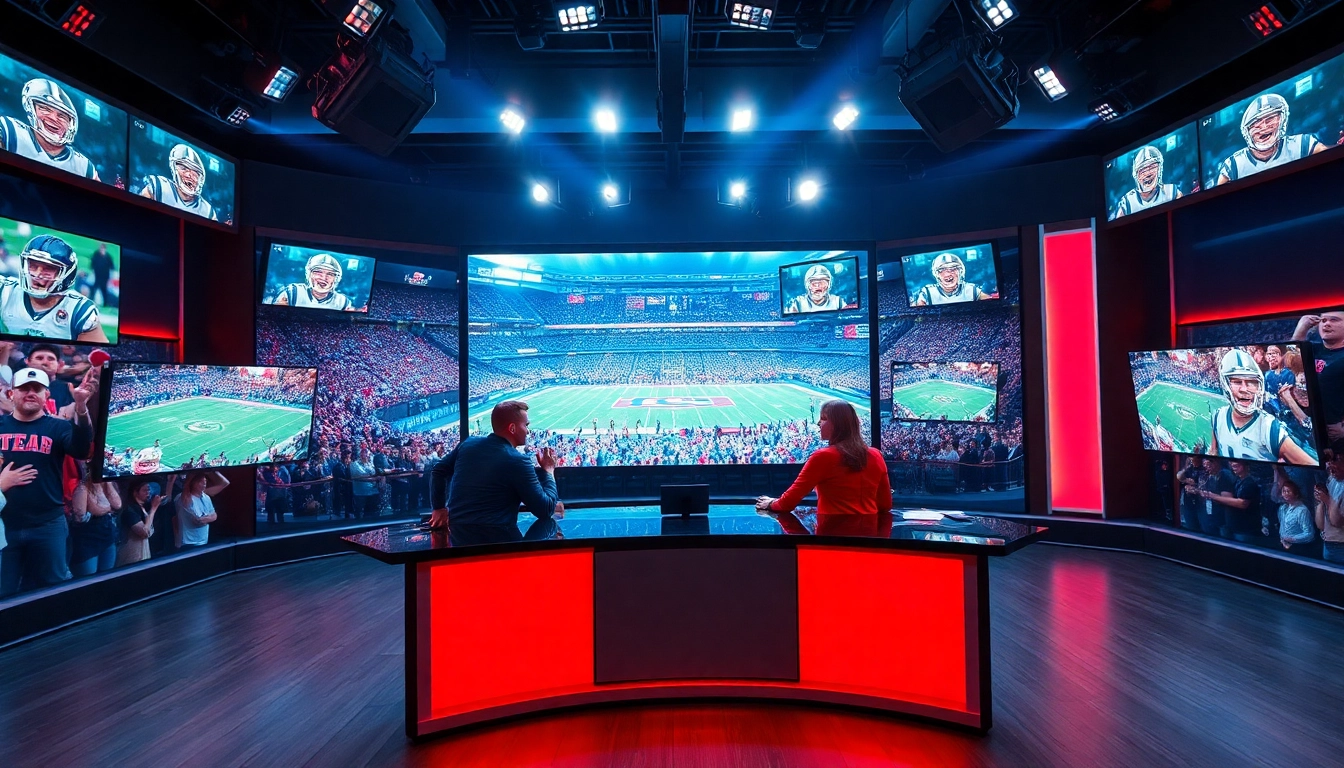
Understanding Sports Broadcasting
What is Sports Broadcasting?
Sports Broadcasting refers to the transmission of live or recorded sports events to audiences through various media platforms such as television, radio, online streaming, and social media channels. Sports broadcasts aim to deliver engaging content that brings fans closer to their favorite teams and athletes, enriching their overall experience. With the rise of Digital Media, Sports Broadcasting has evolved beyond simple game coverage to include commentary, analysis, and interactive features.
The Evolution of Sports Broadcasting
The history of Sports Broadcasting can be traced back to the early days of radio, where live sports commentary began in the 1920s. The transition to television in the 1950s marked a revolutionary shift, allowing fans to watch games in real-time from the comfort of their homes. As technology advanced, the introduction of cable TV and satellite broadcasting expanded access and introduced varied programming. More recently, the emergence of internet streaming services has transformed how audiences consume sports, enabling on-demand viewing and increased interactivity through features like multiple camera angles and instant replays.
Key Players in the Sports Broadcasting Industry
The sports broadcasting landscape is multifaceted, involving various stakeholders, including media companies, sports leagues, advertisers, and technology platforms. Major media networks often compete for broadcasting rights to high-profile events, while leagues negotiate contracts that maximize viewership and revenue. Additionally, technology companies have entered the space, contributing to innovations in how content is delivered. The interplay between these entities shapes the ever-evolving dynamics of Sports Broadcasting.
Impact of Technology on Sports Broadcasting
Emerging Technologies in Sports Broadcasting
Technological advancements have drastically transformed the way sports are broadcasted. High-definition and ultra-high-definition video have raised visual quality, while augmented reality (AR) and virtual reality (VR) offer immersive viewing experiences. Drone footage provides unique perspectives, enhancing storytelling during broadcasts. Moreover, advancements in audio technologies ensure that commentary and ambient sounds deliver an authentic and engaging atmosphere to viewers.
The Role of Streaming Services
Streaming services have become significant players in the Sports Broadcasting industry. Platforms like ESPN+, Hulu, and Amazon Prime Video offer live sports programming and original content. This shift toward on-demand access caters to changing consumer preferences, as more fans opt for streaming services over traditional cable. Additionally, subscription models and innovative broadcasting strategies allow for unique viewing experiences, such as customization of camera angles or seamless integration of social media interactions during broadcasts.
Utilizing Analytics for Viewer Engagement
Analytics play an essential role in enhancing viewer engagement in Sports Broadcasting. By analyzing viewer behavior, preferences, and demographics, broadcasters can tailor content to meet audience demand. Data-driven insights enable targeted advertising, sponsorship deals, and personalized content delivery. Additionally, analytics allow broadcasters to predict trends and preferences, helping them stay ahead in an increasingly competitive landscape.
Challenges Faced in Sports Broadcasting
Copyright Issues and Broadcast Rights
One of the primary challenges in Sports Broadcasting is navigating the complex landscape of copyright issues and broadcast rights. Obtaining exclusive rights to major sporting events can be costly and competitive, often leading to disputes over contracts and licensing. Broadcasters must balance the cost of acquiring rights with the potential revenue generated from advertising and subscriptions while also ensuring compliance with intellectual property laws.
Maintaining Quality in Live Coverage
Delivering high-quality live sports coverage is another significant challenge. Broadcasters must ensure that production teams are equipped to handle unexpected situations, such as technical failures or adverse weather conditions. Moreover, quality control extends to on-screen graphics, audio clarity, and the overall viewing experience, which can significantly impact viewer satisfaction and retention.
Adapting to Changing Viewer Preferences
As viewer preferences evolve, broadcasters face the challenge of adapting content to maintain relevance. Younger audiences often prefer shorter, more dynamic content delivered across different platforms, as opposed to traditional long-format broadcasts. This shift requires broadcasters to rethink their programming strategies and incorporate interactive elements to engage viewers effectively, ensuring they capture the attention of diverse audiences.
Best Practices for Engaging Sports Broadcasting
Creating Captivating Content for Viewers
To effectively engage viewers, broadcasters must prioritize the creation of captivating content. This involves not only showcasing thrilling moments during live games but also weaving compelling narratives around teams and players. Engaging storytelling, in-depth analysis, and behind-the-scenes features offer fans a deeper connection to the sports they love. Additionally, consistent branding and unique presentation styles can help a broadcaster distinguish itself in a crowded market.
The Importance of Audience Interaction
Engaging the audience through interaction is a critical best practice for modern Sports Broadcasting. Features such as live polls, Q&A sessions, and social media integration during broadcasts can elevate viewer engagement. By responding to audience feedback and incorporating viewer-generated content, broadcasters can create a more relatable and interactive experience that encourages fans to participate and engage actively.
Leveraging Social Media for Broadcasting
Social media platforms have become indispensable tools for amplifying Sports Broadcasting efforts. Broadcasters can use platforms like Twitter, Instagram, and TikTok to share highlights, engage fans, and drive conversations around events. Creating shareable content tailored to each platform enhances visibility and encourages user engagement, ultimately leading to broader reach and increased viewership.
Measuring Success in Sports Broadcasting
Key Performance Indicators for Broadcasts
Measuring the success of sports broadcasts is critical for ongoing improvement and strategic decision-making. Key performance indicators (KPIs) include viewer ratings, audience retention rates, and demographic analysis. Additionally, measuring engagement levels across various platforms, such as social media interactions and viewer participation in polls, helps broadcasters assess the effectiveness of their content and marketing strategies.
Using Viewer Analytics for Improvement
Viewer analytics provide valuable insights that can drive enhancements in Sports Broadcasting strategies. By analyzing patterns in viewer behavior and preferences, broadcasters can refine their content offerings, optimize scheduling, and tailor advertising strategies. Continuous feedback loops established through analytics enable broadcasters to adapt proactively to viewer needs and preferences, ensuring sustained audience interest.
Future Trends in Metrics for Sports Broadcasting
As the industry evolves, new metrics will emerge to assess broadcasting success effectively. Future trends may include advanced audience segmentation approaches, which explore viewer preferences at granular levels. Additionally, metrics focusing on emotional engagement, such as audience sentiment analysis during broadcasts, can provide deeper insights into viewer experiences, leading to even more refined broadcasting strategies.
FAQs
What defines sports broadcasting?
Sports broadcasting involves transmitting live or recorded sports events to viewers through various mediums like television or streaming platforms.
How is technology changing sports broadcasting?
Technology enhances sports broadcasting with innovations like VR, live stats overlays, and streaming services that offer viewers on-demand access.
What challenges do broadcasters face?
Key challenges include managing copyright issues, maintaining high-quality broadcasts, and adapting to evolving consumer viewing habits.
How can broadcasters engage their audience?
Engagement can be enhanced through interactive content, live social media feeds, and incorporating viewer feedback into broadcasts.
What metrics are important for sports broadcasting success?
Important metrics include viewer ratings, audience demographics, viewer engagement levels, and social media interaction to gauge success.